US Strikes Obliterate Iran's Nuclear Program: Escalation & Peace?
The Middle East has long been a crucible of geopolitical tension, but recent events have pushed the region into an unprecedented chapter. In a dramatic turn of events that defied prior assurances of non-intervention, the United States, in concert with Israel, launched a series of powerful military strikes against three critical Iranian nuclear sites. This decisive action, aimed at crippling Iran's nuclear enrichment capabilities, has sent shockwaves across the globe, raising urgent questions about the future of regional stability and the delicate balance between military might and diplomatic resolution. While initially perceived as a major escalation, these very strikes unexpectedly paved the way for subsequent high-stakes negotiations, illustrating a complex, paradoxical path towards potential peace.
A Decisive Blow: Unpacking the US Strikes on Iran's Nuclear Facilities
The meticulously planned operation targeted three key facilities: Fordow, Natanz, and Esfahan. President Trump himself confirmed the successful completion of the strikes, highlighting Fordow as the primary objective. Located approximately 100 miles south of Tehran and famously fortified 300 feet under a mountain, Fordow represented a formidable challenge. Its destruction necessitated the deployment of the GBU-57 MOP (Massive Ordnance Penetrator), a colossal 30,000-pound "bunker buster" bomb. This immense payload could only be delivered by the specialized B-2 stealth bomber, showcasing the extraordinary technological and strategic capabilities involved in the assault. The precise execution of these strikes underscored a clear message: the US possessed the will and the means to neutralize Iran's most protected nuclear assets.
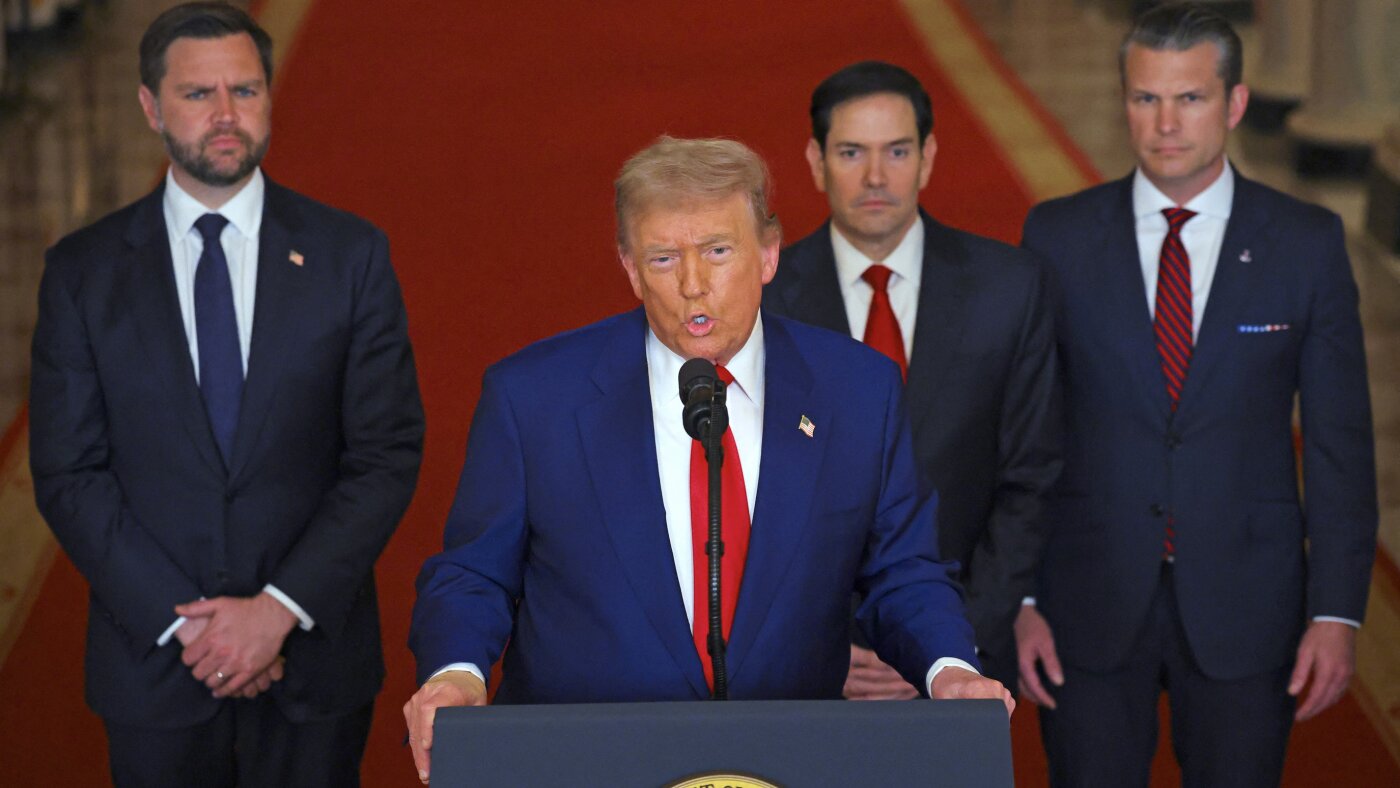
US officials, including President Trump and Defense Secretary Pete Hegseth, were unequivocal in their assessment. Trump declared, "Iran's key nuclear enrichment facilities have been completely and totally obliterated," hailing the strikes as a "spectacular military success." Hegseth echoed this sentiment, stating that Iran's nuclear ambitions were "obliterated." This aggressive posture marked the first direct US military involvement in the rapidly escalating conflict between Iran and Israel, a departure from previous strategies and a testament to the perceived urgency of preventing Iran from acquiring a nuclear weapon. For a deeper dive into the specific technologies and tactics employed, see our related article:
Bunker Busters & B-2s: Unpacking the Iran Nuclear Site Strikes.
The Strategic Chessboard: Why Such an Escalation?
The decision to engage in such a high-stakes military operation was not made in a vacuum. For years, both the United States and Israel have harbored deep concerns about the Iranian nuclear program, viewing it as an existential threat to regional and global security. Israel, in particular, had been actively lobbying the US to take decisive action against heavily fortified sites like Fordow, understanding that only American military might possessed the capacity for such a precision strike. This long-standing objective – to prevent Tehran from acquiring a nuclear weapon – reached a critical juncture, prompting a dramatic shift from diplomatic pressure and sanctions to direct military intervention.
The geopolitical calculus behind such an escalation is complex. While President Trump had previously promised to keep the US out of new Middle East conflicts, the perceived imminence of an Iranian nuclear breakout likely superseded those pledges. The strikes can be seen as a manifestation of a "peace through strength" doctrine, aiming to dismantle Iran's *nucléaire iran militaire* capabilities through overwhelming force, thereby creating leverage for future negotiations or deterring further hostile actions. The strategic gamble was immense: risk a wider regional war to eliminate a perceived greater threat. The administration's public declarations served not just to inform but also to warn, with President Trump explicitly stating that if "peace does not come quickly, we will go after those other targets with precision, speed and skill." This laid the groundwork for a potential follow-up, adding an intense layer of pressure on Iran.
From Obliteration to Dialogue: The Unforeseen Path to Peace Talks (2025-2026)
In a striking pivot that surprised many observers, the ashes of military confrontation paradoxically became the ground for diplomatic engagement. Despite the ferocity of the strikes, the narrative quickly shifted towards de-escalation and the pursuit of a lasting peace agreement. Less than a year after the military action, in 2025, the United States and Iran initiated a series of negotiations aimed at achieving a nuclear peace deal. This unexpected turn of events was reportedly triggered by a direct letter from US President Donald Trump to Iran's Supreme Leader Ali Khamenei.
The initial high-level meetings in April 2025 were held in Oman, a country often known for its mediating role in regional diplomacy. US Special Envoy Steve Witkoff and Iranian Foreign Minister Abbas Araghtchi led these indirect discussions, which were notably described as "constructive." A second round of negotiations followed swiftly in Rome, again under Omani mediation, before returning to Muscat for a third high-level session. This rapid progression from military obliteration to intensive diplomatic talks highlights a fascinating aspect of international relations: sometimes, extreme pressure can compel parties to the negotiating table who might otherwise refuse. The US strikes, by demonstrably dismantling a significant portion of Iran's nuclear infrastructure, fundamentally altered the strategic landscape, potentially reducing Iran's leverage and increasing its incentive to negotiate a comprehensive deal. For more on this diplomatic follow-up, read our article:
Iran Nuclear Ambitions: From US Military Action to 2025 Peace Talks.
Geopolitical Ramifications and the Future of Regional Stability
The US strikes on Iran's nuclear program and the subsequent peace talks represent a watershed moment for the Middle East and global non-proliferation efforts. The immediate impact was the physical destruction of Iran's nuclear enrichment capacity, a core objective for the US and Israel. This action significantly rolled back Iran's progress towards a potential nuclear weapon, buying crucial time and reducing the immediate threat. However, the long-term ramifications are still unfolding.
From a strategic perspective, these events reinforce several key lessons:
- The Efficacy of Force (and its Limits): The strikes demonstrated that overwhelming military power can achieve specific objectives, but sustained peace requires diplomatic engagement.
- Paradoxical Diplomacy: The fact that direct military confrontation led to peace talks suggests that, in some contexts, a decisive show of force can create the necessary conditions for dialogue when other avenues have failed. This is a contentious but observable pattern in history.
- The Role of Mediation: Oman's consistent role as a mediator proved critical in facilitating discussions between two deeply distrustful adversaries.
- Regional Power Dynamics: The obliteration of *nucléaire iran militaire* infrastructure fundamentally shifts the power balance in the Persian Gulf, potentially influencing the behavior of other regional actors.
Looking ahead, the success of the 2025-2026 negotiations will be paramount. A comprehensive nuclear peace agreement could usher in an era of greater stability, reducing the risk of a regional arms race and lessening the likelihood of future military confrontations. However, the path to lasting peace is fraught with challenges, including verification mechanisms, trust-building, and addressing Iran's broader regional activities. The events serve as a stark reminder of the delicate balance required to manage complex international conflicts, where the specter of war can sometimes, unexpectedly, pave the way for dialogue.
In conclusion, the US strikes against Iran's nuclear sites mark a historic and highly impactful episode in the ongoing saga of Middle East tensions. While representing a dramatic military escalation that many feared would plunge the region into wider conflict, these actions ultimately set the stage for crucial diplomatic breakthroughs. The journey from the "obliteration" of nuclear facilities to "constructive" peace negotiations highlights a complex, often contradictory, dance between coercion and cooperation in international relations. The world watches closely to see if this hard-won dialogue can truly forge a path to lasting peace, or if the region will once again find itself at the precipice of conflict.