Bunker Busters & B-2s: Unpacking the Iran Nuclear Site Strikes
The landscape of Middle Eastern geopolitics has long been defined by intricate alliances, simmering tensions, and the specter of nuclear proliferation. In a dramatic turn of events, the United States, in concert with Israel, executed a series of targeted military strikes against key Iranian nuclear facilities. This unprecedented action, announced by then-President Trump, marked a significant escalation in the ongoing efforts to prevent Iran from developing a nuclear weapon and sent ripples across the international community. The operation, characterized by the deployment of highly specialized weaponry like "bunker buster" bombs delivered by B-2 stealth bombers, aimed to decisively cripple Iran’s nuclear enrichment capacity.
The strikes targeted three critical sites: Fordow, Natanz, and Esfahan, with particular emphasis on Fordow due to its formidable fortifications. This direct military intervention, coming after years of diplomatic maneuvering and sanctions, underscored a calculated shift in strategy, demonstrating a willingness to employ overwhelming force to neutralize what was perceived as an immediate and grave threat posed by Iran's nuclear ambitions. The world watched as the global powers grappled with the implications of such a bold move and what it meant for regional stability and the future of international nuclear non-proliferation.
A Decisive Strike: Targeting Iran's Nuclear Infrastructure
The precision strikes against Iran's nuclear infrastructure were not merely symbolic; they were designed to deliver a crippling blow to the country's capacity for uranium enrichment. President Trump confirmed the success of the mission, stating, "We have completed our very successful attack on the three Nuclear sites in Iran, including Fordow, Natanz, and Esfahan." His pronouncement highlighted the scale and ambition of the operation, which aimed to permanently halt Iran's progress toward developing nuclear weapons.
Of the targeted sites, Fordow stood out as a particularly challenging objective. Located roughly 100 miles south of Tehran, this facility was famously built deep inside a mountain, approximately 300 feet underground. Its subterranean placement made it impervious to conventional airstrikes, posing a significant hurdle to any military intervention. However, its very design underscored the depth of
Iran's nuclear ambitions and the lengths to which it was prepared to go to protect its program.
The operation's success, as lauded by Defense Secretary Pete Hegseth, who stated that "Iran's nuclear ambitions were obliterated," centered on overcoming such fortifications. The deliberate choice to target multiple sites simultaneously — Natanz, a primary enrichment facility, and Esfahan, often linked to nuclear material processing and research — suggests a comprehensive strategy to dismantle the entire network, not just individual components. This decisive military action against Iran's nuclear capabilities represented a dramatic pivot from previous strategies, firmly asserting a zero-tolerance policy towards the advancement of
Iran's military nuclear program.
The Technological Edge: Bunker Busters and B-2 Stealth Bombers
The success of the strikes, particularly against the deeply buried Fordow site, was heavily reliant on a unique combination of advanced military hardware possessed almost exclusively by the United States. At the heart of this capability was the GBU-57 MOP, or Massive Ordnance Penetrator, colloquially known as a "bunker buster." This colossal bomb, weighing in at an immense 30,000 pounds, is specifically engineered to penetrate heavily reinforced concrete and rock before detonating, making it ideal for targeting deeply buried and hardened facilities like Fordow.
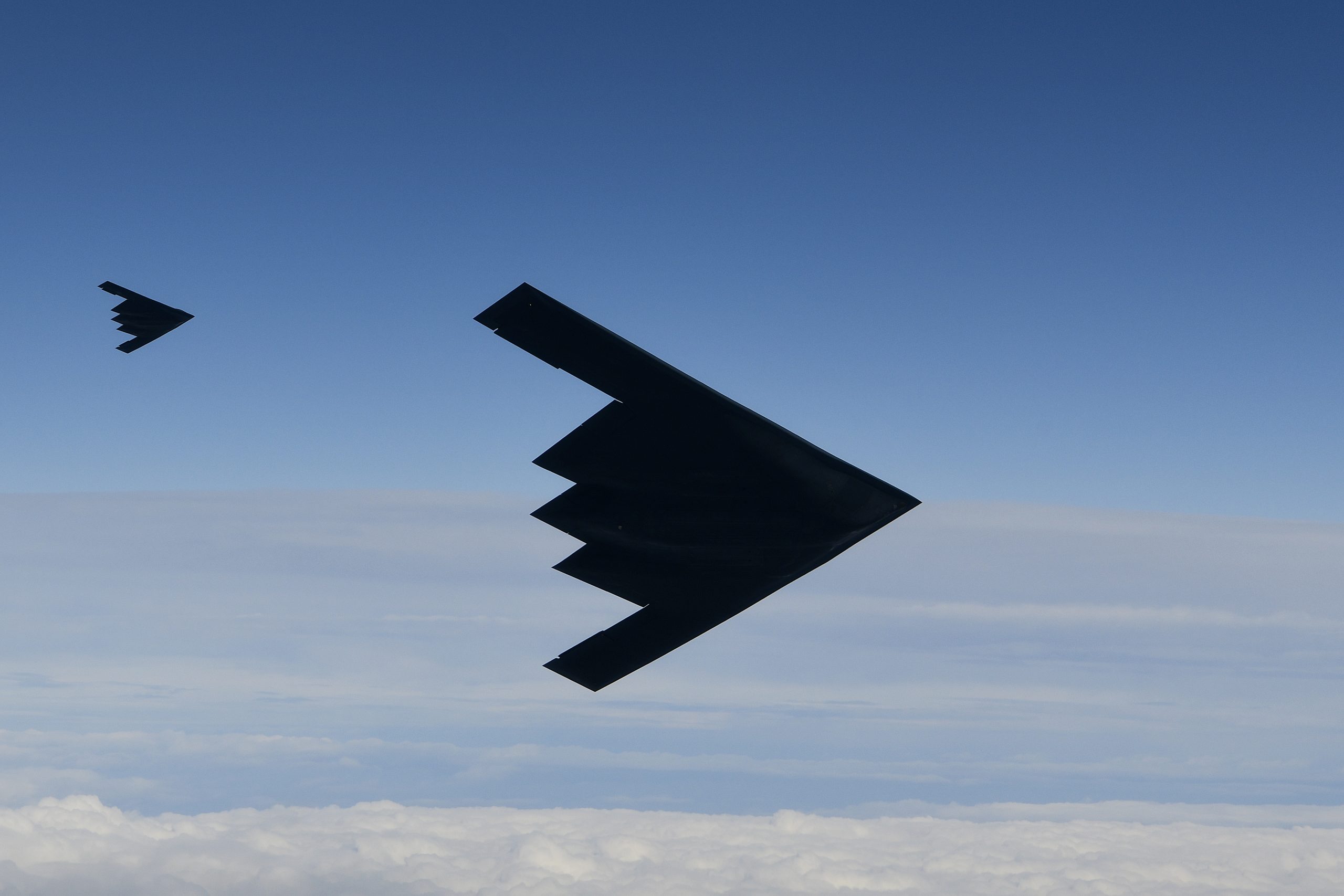
The sheer size and weight of the GBU-57 MOP mean it can only be transported and deployed by one specific U.S. warplane: the B-2 stealth bomber. The B-2 Spirit is a long-range, heavy bomber with sophisticated stealth technology designed to penetrate dense anti-aircraft defenses. Its low-observable characteristics allow it to evade radar detection, enabling it to reach high-value targets in heavily defended airspace with minimal risk. The deployment of the B-2, coupled with the GBU-57 MOP, sent an unambiguous message about the U.S. military's unparalleled power projection capabilities and its determination to neutralize Iran's strategic assets.
This technological superiority highlights a critical aspect of modern military strategy: the ability to overcome seemingly insurmountable defensive measures. The use of such advanced assets underscores the strategic importance placed on preventing Iran from developing nuclear weapons, signaling that no target, however fortified, was beyond reach. This demonstrated capacity to execute precision strikes against deeply buried targets is a significant deterrent and a testament to the cutting-edge innovation in military aviation and ordnance.
Beyond the Bombs: Geopolitical Ramifications and the Path to Peace
While the immediate aftermath of the strikes was dominated by discussions of military success and regional escalation, President Trump's subsequent call for "NOW IS THE TIME FOR PEACE!" hinted at a broader, more complex strategic objective. The dramatic military intervention, though decisive, was not an end in itself but rather a forceful re-establishment of leverage in the ongoing geopolitical chess match with Iran. This assertion of military might, paradoxically, laid the groundwork for future diplomatic engagements.
Indeed, the trajectory shifted from direct military confrontation to a renewed focus on diplomacy, as evidenced by the 2025-2026 negotiations between the United States and Iran. These talks, initiated by a letter from President Trump to Iranian Supreme Leader Ali Khamenei, aimed to forge a nuclear peace agreement. The first high-level meetings, mediated by Oman, took place in Muscat on April 12, 2025, with U.S. Special Envoy Steve Witkoff and Iranian Foreign Minister Abbas Araghtchi leading the discussions. These initial interactions were notably described as constructive, indicating a willingness from both sides to explore peaceful resolutions despite the recent military actions.
Subsequent rounds of negotiations continued in various locations, including Rome and back in Muscat, underscoring the painstaking, often indirect, nature of high-stakes diplomacy. The events demonstrate a critical lesson in international relations: military pressure can, at times, create the necessary conditions for diplomatic breakthroughs. For a deeper understanding of the initial military actions and their immediate impact, refer to our article:
US Strikes Obliterate Iran's Nuclear Program: Escalation & Peace?. To trace the evolution towards the subsequent peace talks, our related piece,
Iran Nuclear Ambitions: From US Military Action to 2025 Peace Talks, offers further insights. These diplomatic efforts, however complex, signify an enduring commitment to de-escalation and the pursuit of a lasting resolution to the contentious issue of Iran's nuclear program.
Lessons Learned and Future Outlook
The strikes against Iran’s nuclear sites provide several crucial insights into contemporary international relations and military strategy. First, they underscore the continuing importance of advanced military capabilities, particularly in addressing deeply entrenched threats. The precision and power of weapons like the GBU-57 MOP, delivered by stealth assets such as the B-2 bomber, demonstrated a capacity for force projection that reshapes conventional deterrence theories. Second, the events highlight the complex interplay between military action and diplomatic maneuvering. While the strikes were a significant escalation, they were also framed as a means to an end – a way to compel Iran back to the negotiating table from a position of perceived weakness, leading to the 2025-2026 peace talks.
From a practical standpoint, the meticulous planning required for such an operation emphasizes the critical role of intelligence in identifying, tracking, and validating targets that are deliberately concealed and fortified. This level of insight is paramount for minimizing collateral damage and ensuring the efficacy of precision strikes against hardened facilities.
Looking forward, the fundamental challenge of preventing nuclear proliferation remains. The dramatic episode involving "nucléaire iran militaire" operations and subsequent negotiations serves as a potent case study. It suggests that while military options may be on the table as a last resort, sustained diplomatic engagement, even after confrontation, is essential for long-term stability. The ultimate success of such endeavors hinges on mutual commitments to peace, credible enforcement mechanisms, and a willingness from all parties to negotiate in good faith, ensuring that the specter of nuclear conflict remains just that – a specter, not a reality.
In conclusion, the U.S. strikes on Iran's nuclear facilities represented a pivotal moment, showcasing both formidable military prowess and the intricate dance between aggression and diplomacy. The deployment of "bunker busters" and B-2s delivered a powerful message, effectively crippling key elements of Iran's nuclear program. However, as history often demonstrates, military solutions are rarely definitive. The subsequent shift towards complex, multilateral negotiations in 2025-2026 underscores the enduring truth that true and lasting peace, particularly concerning sensitive issues like "nucléaire iran militaire," ultimately requires dialogue, compromise, and persistent diplomatic effort. The legacy of these strikes will continue to be debated, but their role in shaping the trajectory of Iran's nuclear ambitions and regional security is undeniable.